.png?width=552&height=88&name=aptitude8%20-%20standard%20-%20White%20-%20LG%20(1).png "aptitude8 - standard - White - LG (1)")

.png?width=750&height=405&name=Building%20a%20Scalable%20HubSpot%20Strategy%20(2).png)





HubSpot CPQ gives revenue teams a structured way to manage quoting, billing, and renewals without leaving their CRM. When you pair HubSpot's custom CRM architecture with workflow automation, you can build a billing management system that handles invoices, overdue reminders, and contract renewals automatically. In this article, we explore how custom objects and workflows work together to create a streamlined billing process inside HubSpot, and what that means for reducing manual work across your billing cycle.
Managing Client Billing With HubSpot Custom Objects and Workflows
HubSpot workflows can automate many of the tasks involved in billing clients, such as sending invoices, issuing reminders, and processing payments.
When used together, HubSpot's custom objects and workflows can provide a powerful way to manage your client billing. Custom objects give you the ability to track important information about your clients, such as their contact information, their payments, and their lifetime value.
Workflows can then be used to automate tasks related to this information. For example, you could create a workflow that automatically sends an invoice to a client when their balance reaches a certain amount.
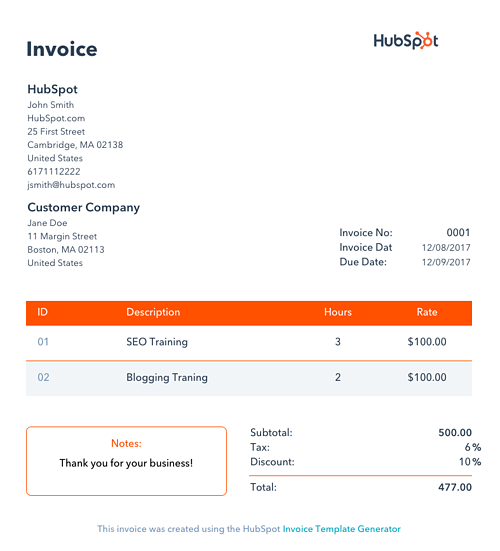
Creating Your Billing Management Workflow
The first step to creating your billing management workflow is to create a custom object in HubSpot. To do this, go to your HubSpot account and navigate to Settings > Objects, and then click on the "Create Object" button.
Give your custom object a name (e.g., "Billing") and then add the fields that you want to include. Some of the fields you may want to consider adding are:
- Client name
- Contact information
- Invoices
- Payments
Once you have created your custom object, you can then create a workflow that uses this object. To do this, go to Settings > Workflows and click on the "Create Workflow" button.
Give your workflow a name and then select the "Custom Object" trigger. This trigger will cause the workflow to start when a new custom object is created.
In the next step, you will need to specify which object will trigger the workflow. Select the object that you created in the previous step ("Billing").
Now, you will need to add an action to your workflow. This is the task that will be performed when the trigger occurs. For example, you could add an action that sends an email to the client or generates an invoice.
To do this, click on the "Add Action" button and select the "Send Email" or "Generate Invoice" action.
Configure the action so that it performs the desired task. For example, if you're sending an email, you will need to specify the recipient, subject, and message.
Once you've added all the actions to your workflow, click on the "Save" button to save your changes.
Teams looking to automate a full quote-to-cash process inside HubSpot often find that a well-structured billing object is the foundation that makes everything else reliable.
Creating Workflows for Overdue Reminders and Renewals
You can follow the same process to create workflows for overdue reminders and contract renewals. If you like, you can use the same Custom Object you created previously ("Billing"), then simply add more steps to your workflow using if/than logic.
For example, you can design your workflow to send an overdue email reminder to your client if they haven't yet paid an invoice. You can also establish automatic emails for contract renewals based on each client's billing cycle.
Organizations with complex CPQ needs have found that this same pattern scales well. See how Aptitude 8 approached CPQ for a leading training organization to manage multi-tier pricing and renewal workflows inside HubSpot.
Build Comprehensive Billing Management Workflows in HubSpot
HubSpot's custom objects and workflows can provide a powerful way to manage your client billing. By combining these two features, you can automatically manage all your billing requirements directly in HubSpot, eliminating most of the manual processes associated with billing, invoicing, and renewing contracts. This process also has the potential to reduce the time it takes for your clients to pay you, and it can keep your clients engaged when it comes time to renew your services.
Are you interested in using HubSpot's custom objects or workflows to manage billing? Contact us at Aptitude 8 to find out how we can help.
Billing workflows are one component of a broader custom HubSpot architecture strategy. If you are designing complex data relationships, recurring billing structures, or multi-object automations, a well-planned CRM architecture is the foundation that makes it all work reliably at scale.
Frequently Asked Questions
Q: What is HubSpot CPQ and How Does It Relate to Billing Workflows?
A: HubSpot CPQ (Configure, Price, Quote) is a set of tools inside HubSpot that helps sales teams generate quotes, manage pricing, and connect deals to downstream billing processes. When combined with custom objects and workflow automation, it allows teams to manage the full billing cycle, from quote creation through invoice delivery and renewal reminders, inside a single CRM.
Q: Do I Need a HubSpot Custom Object to Manage Billing, or Can I Use Standard Objects?
A: Standard objects like Contacts, Companies, and Deals can handle basic billing data, but a dedicated Billing custom object gives you more flexibility. You can define specific properties such as invoice date, due date, payment status, and payment method, and then associate those records directly to Contacts or Deals. This makes reporting cleaner and workflow triggers more precise.
Q: How Do I Trigger an Overdue Reminder Workflow in HubSpot?
A: The most reliable approach is to use a date-based workflow enrollment. Set the trigger to enroll a billing record when the Due Date property is a certain number of days in the past and the payment status is not marked as Paid. This ensures reminders go out automatically without manual intervention.
Q: Can HubSpot Workflows Handle Subscription Renewals Automatically?
A: Yes. By adding a Renewal Date property to a Subscription custom object, you can create date-based workflows that fire 30, 60, or 90 days before the renewal date. These workflows can send renewal reminder emails, notify account owners, or create follow-up tasks in HubSpot automatically.
Q: is HubSpot CPQ a Replacement for Dedicated Billing Software Like Stripe or Quickbooks?
A: Not exactly. HubSpot CPQ manages the quoting and billing workflow layer, while tools like Stripe or QuickBooks handle payment processing and accounting. The two can work together. In some cases, a well-architected HubSpot setup reduces the need for complex custom integrations, which can save significant time and implementation costs.
Ready to build a billing management system inside HubSpot? Talk with our team.