Twilio Segment and HubSpot Use Cases
How Segment data drives activation inside HubSpots
Customer Data, Activated
Introduction to Segment + HubSpot Use Cases
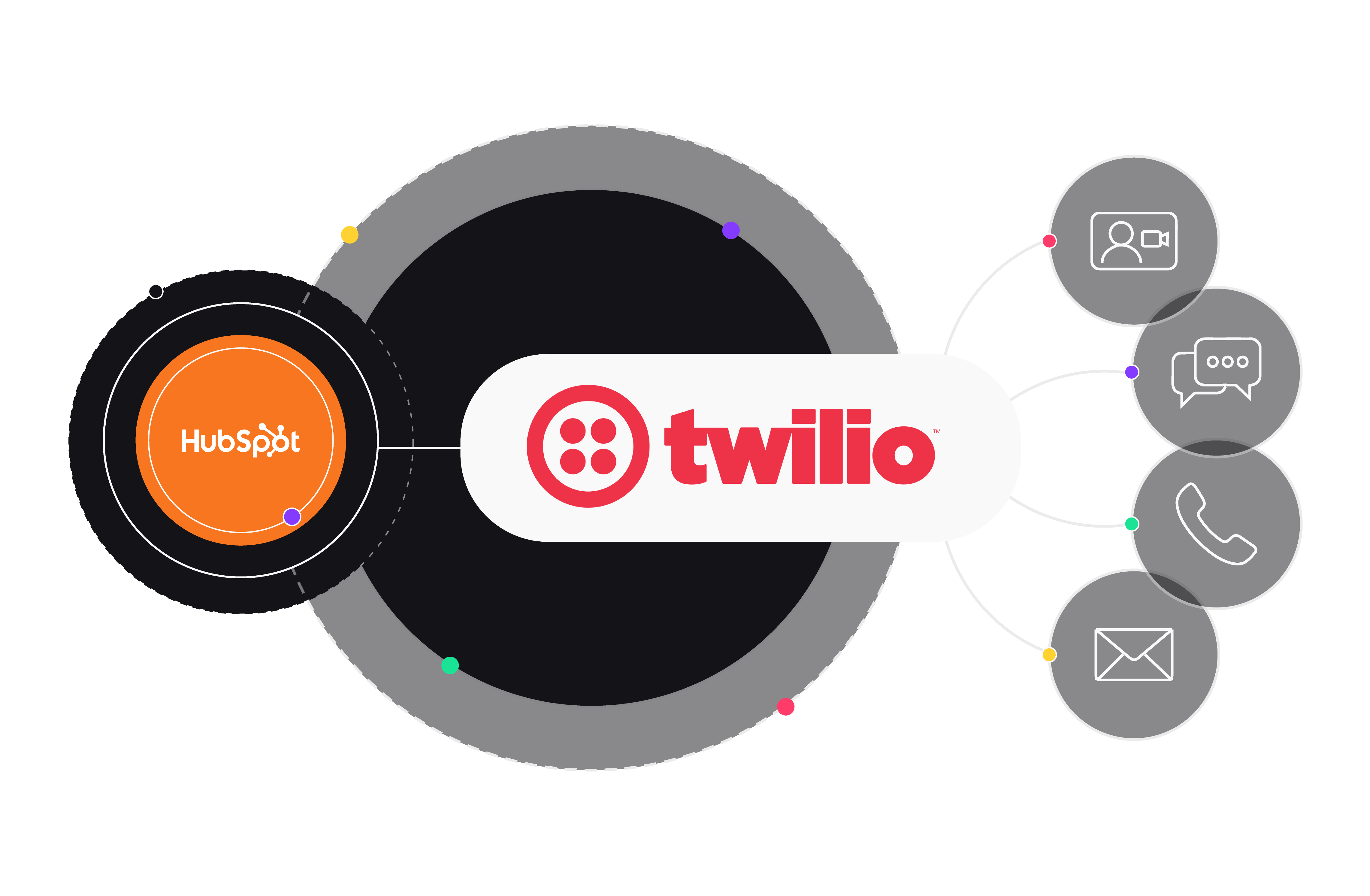
Modern go-to-market teams rely on real-time customer data, but that data often lives across disconnected systems. Twilio Segment unifies events and identity signals, while HubSpot activates that intelligence across sales, marketing, and customer experience.
When Segment structures and routes meaningful data into HubSpot, teams gain clearer buying signals, stronger prioritization, and automation that actually reflects real customer behavior.
Account-Based Buying Signals
Surface real buying intent at the company level
Sales teams often miss buying signals when activity is spread across multiple users. Segment aggregates that behavior into account-level insights, revealing usage trends and adoption shifts.
HubSpot activates this intelligence by:
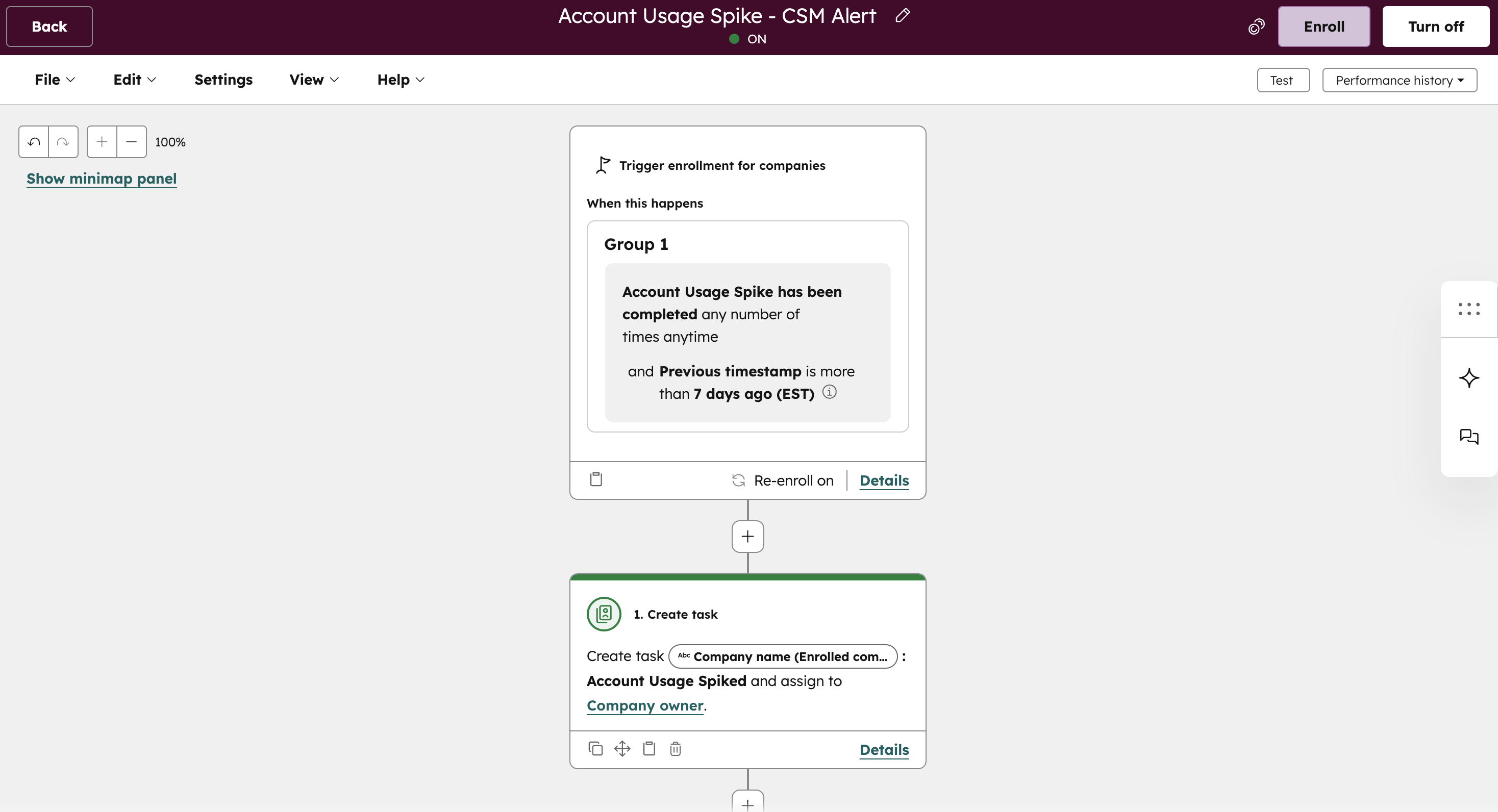
- Creating company-level alerts
- Triggering expansion marketing workflows
- Routing priority accounts to AEs
- Notifying CSMs of usage spikes
This ensures high-intent accounts receive timely outreach based on real product behavior.
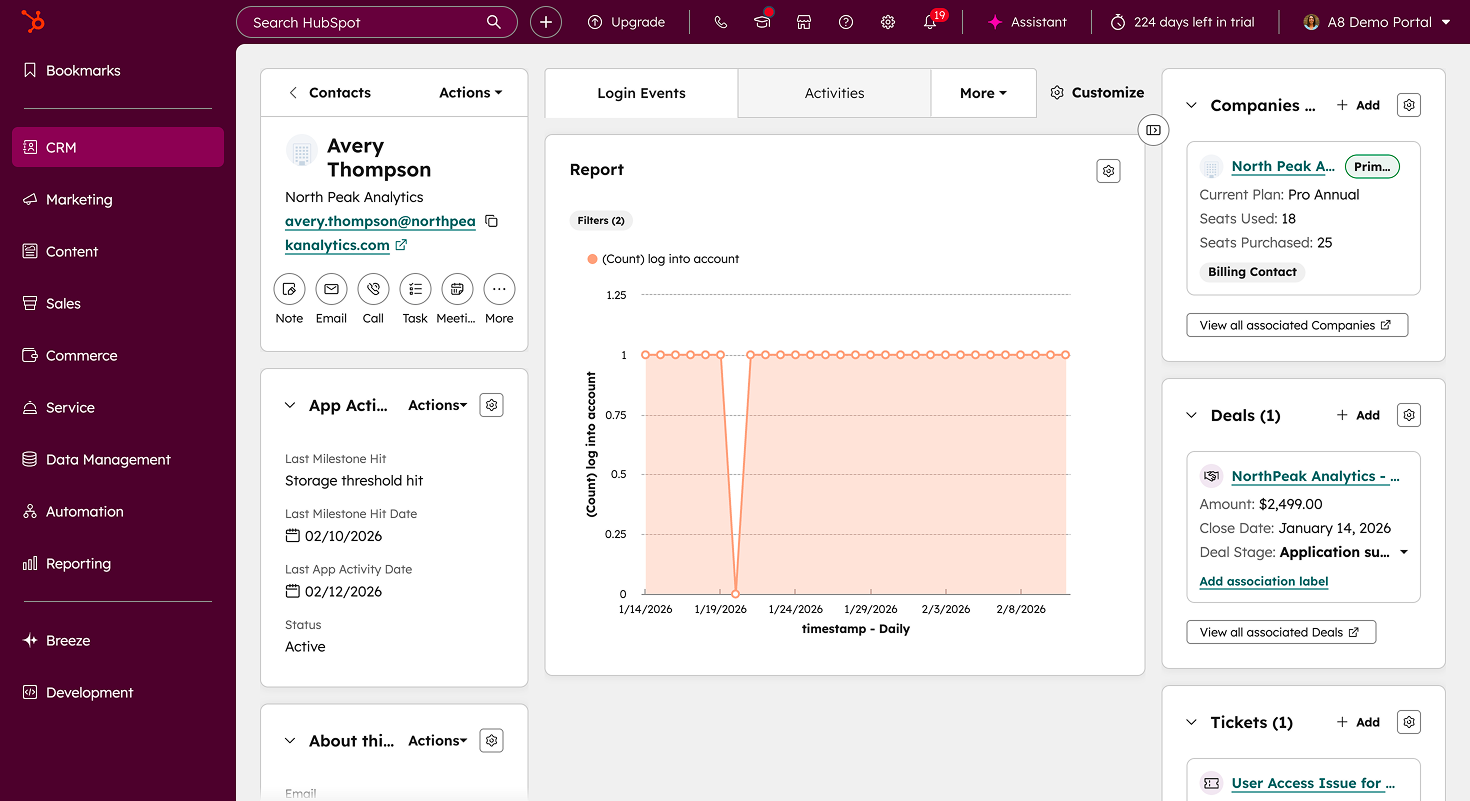
Product usage and website behavior often live outside HubSpot, limiting visibility. Segment unifies events from product and web systems into complete contact and company profiles.
HubSpot activates this unified data by:
- Aligning sales and marketing visibility
- Improving lifecycle stage accuracy
- Powering smarter personalization
- Prioritizing high-engagement accounts
This creates a true single source of truth across go-to-market teams.
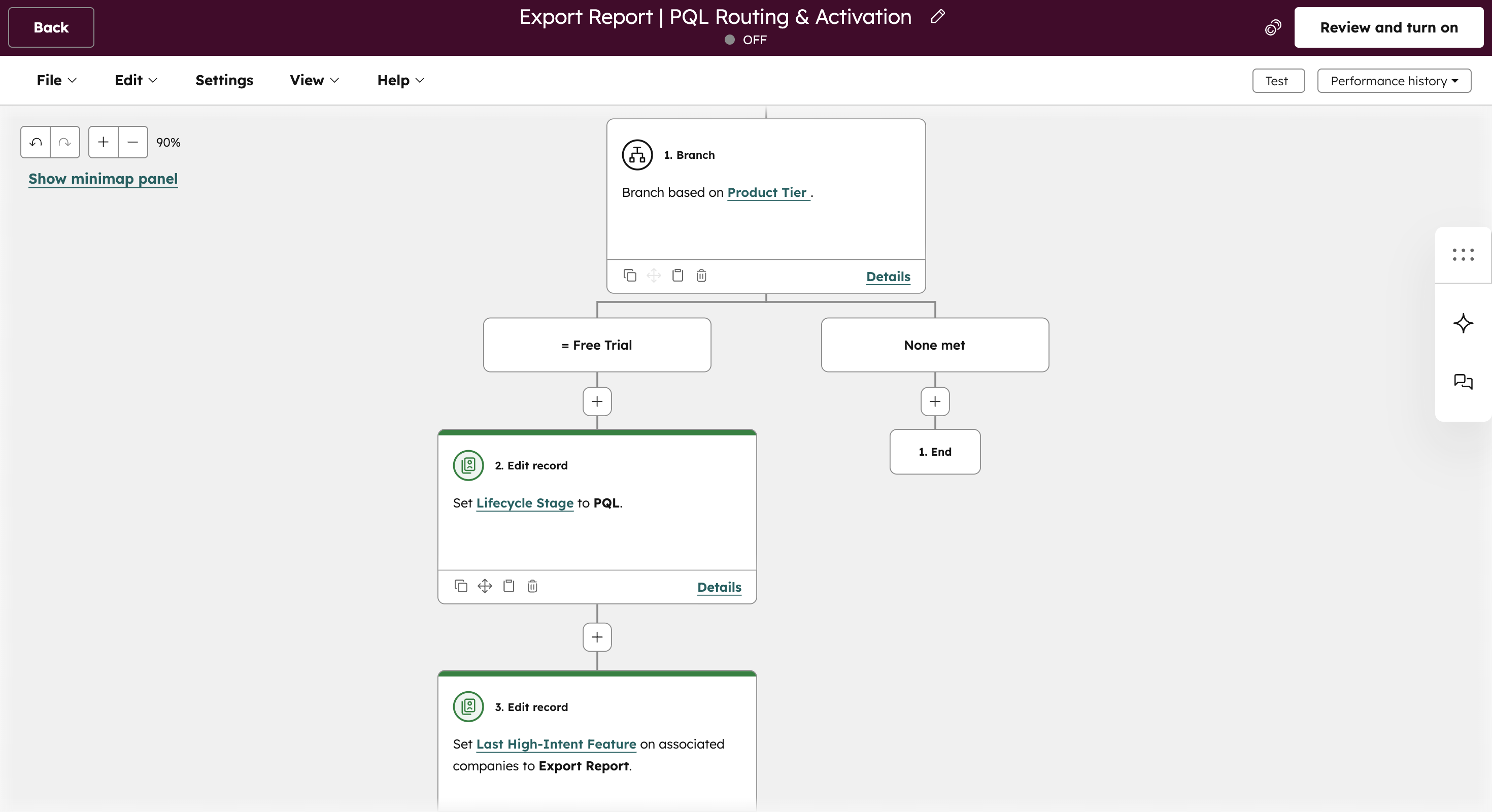
Product usage signals live in Segment while execution happens in HubSpot, creating disconnect. Segment captures trials, feature milestones, and usage patterns indicating expansion readiness.
HubSpot activates this data by:
- Updating lifecycle stage to PQL
- Routing accounts to AEs or CSMs
- Triggering upsell and expansion workflows
- Launching targeted enablement campaigns
This connects real product engagement directly to revenue-generating motions.
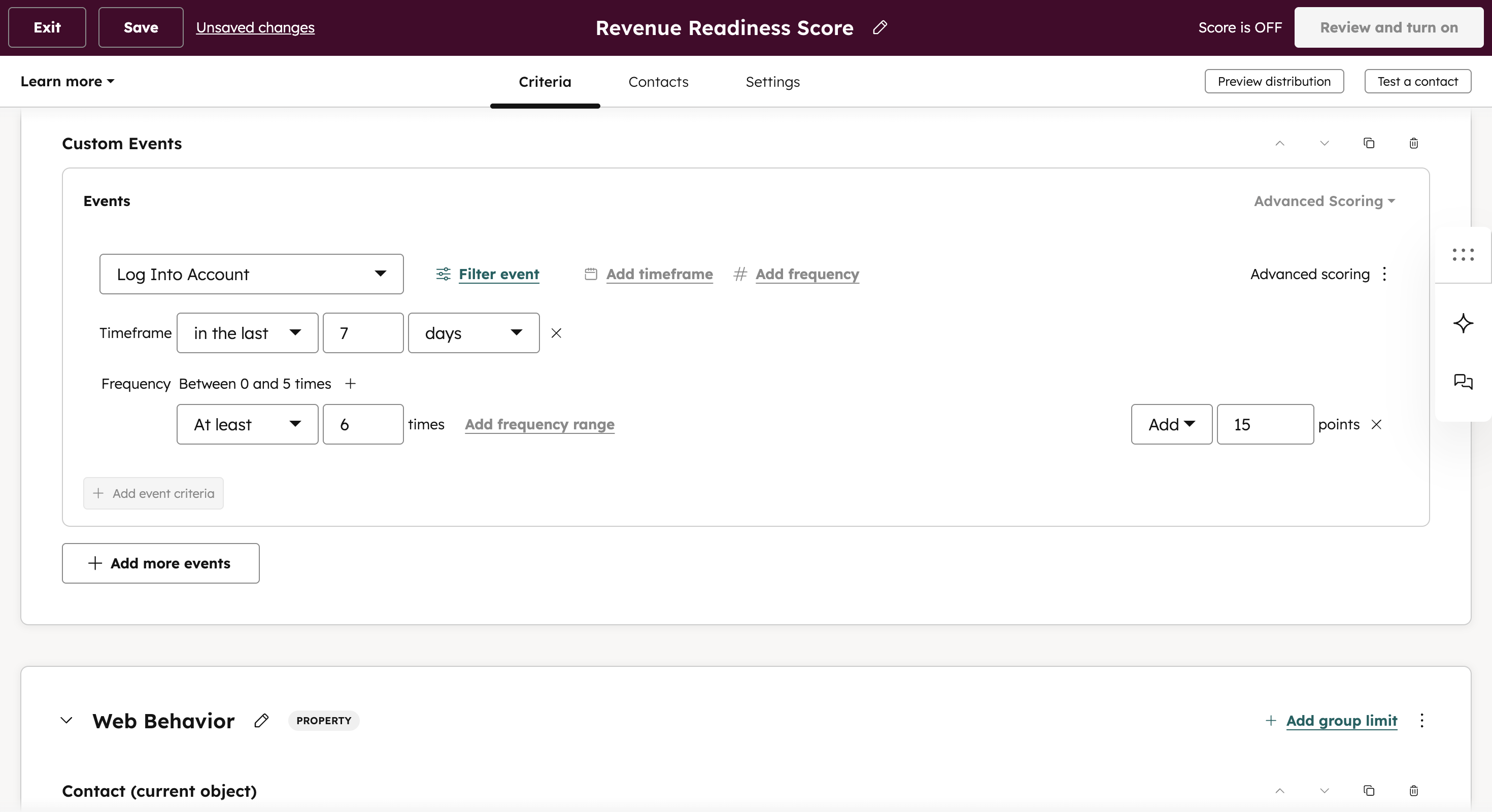
Traditional ICP scoring relies on static firmographics that miss real engagement signals. Segment combines firmographics, usage data, and adoption patterns into a dynamic revenue readiness score.
HubSpot activates this intelligence by:
- Automatically updating ICP fit scores
- Moving prioritized accounts into sales motions
- Suppressing low-fit accounts from outreach
- Triggering marketing acceleration workflows
This ensures revenue teams focus effort where real buying intent exists.
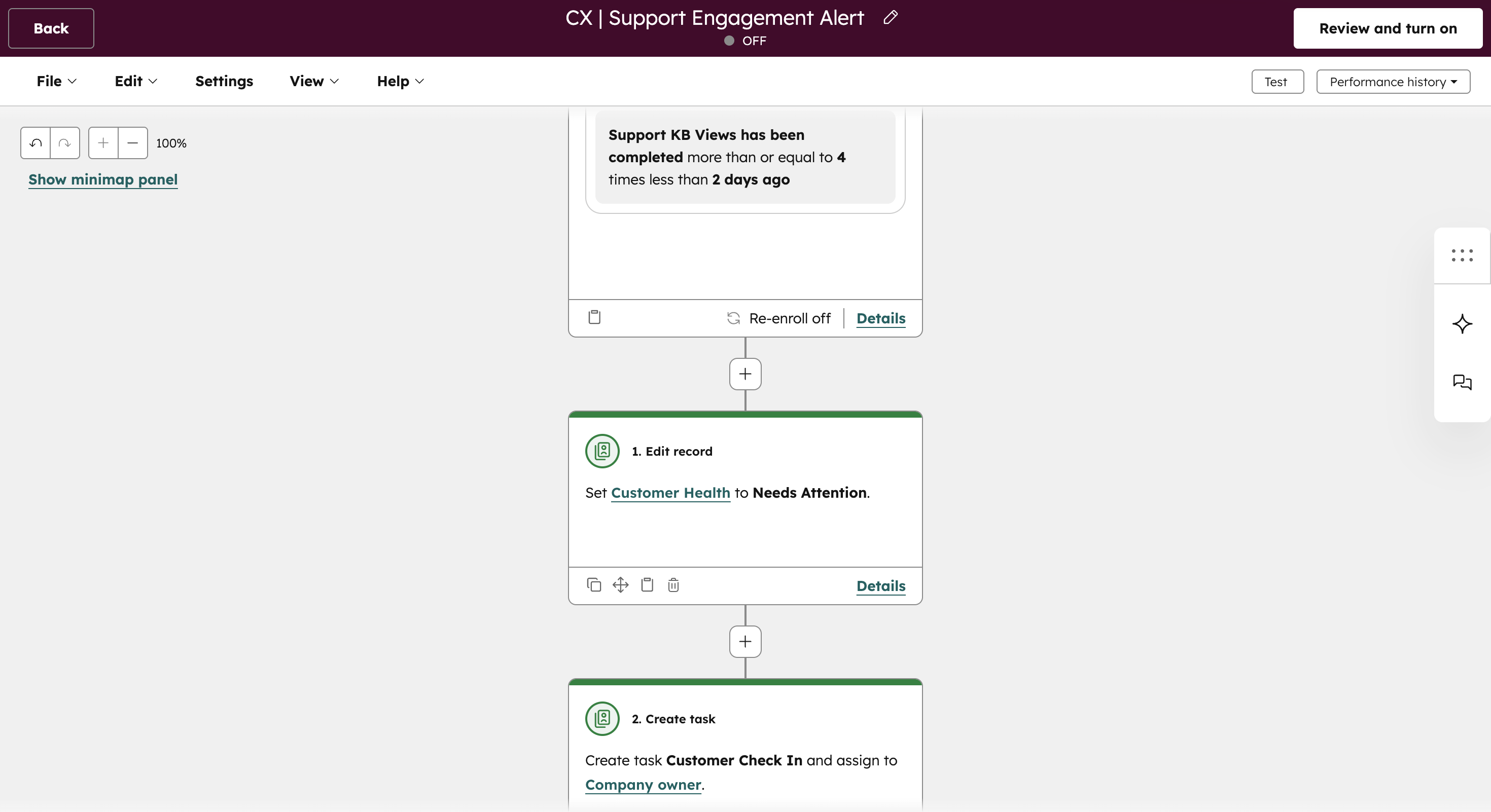
Customer experience teams operate in HubSpot, but key usage signals live elsewhere. Segment captures drops in activity, spikes, and support behaviors indicating customer health changes.
HubSpot activates these signals by:
- Flagging at-risk accounts for CX
- Updating customer health properties
- Triggering proactive outreach workflows
- Sending relevant knowledge base resources
This enables earlier intervention and stronger long-term retention.
RectorSeal: Segment + HubSpot Routing & Activation
Automating Zip Code Routing with Unified Data Architecture
RectorSeal, a manufacturing organization serving contractors and distributors across North America, partnered with Aptitude 8 to integrate Segment, Snowflake, and HubSpot into a scalable ZIP code routing framework built directly inside HubSpot Operations Hub.
Key Outcomes:
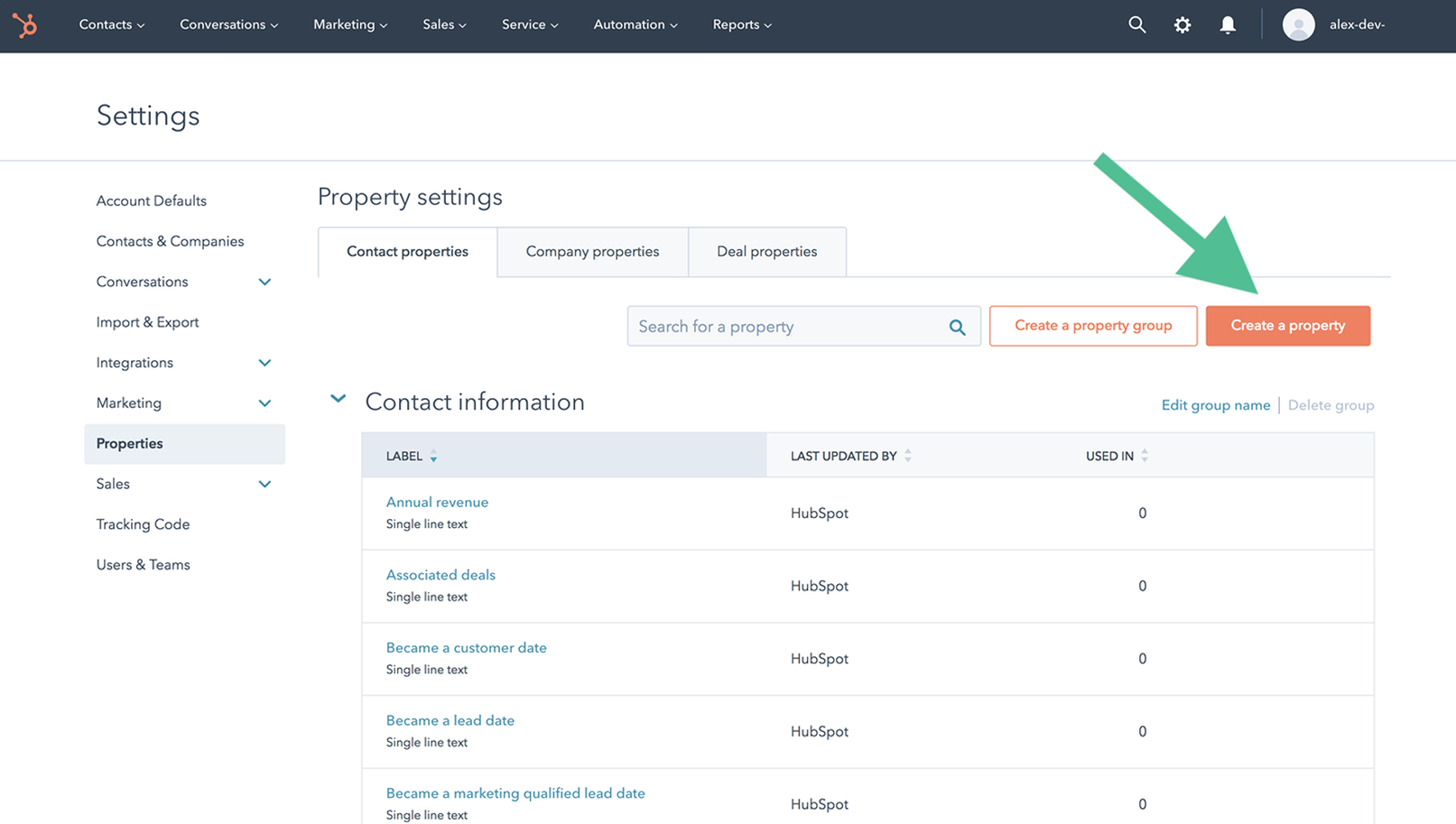
- Standardized 40+ CRM properties to support routing and governance
- Integrated HubSpot, Segment, and Snowflake into one architecture
- Operationalized 12+ behavioral events across brand sites
- Built automated ZIP code–based routing inside HubSpot
This engagement demonstrates how Segment powers behavioral intelligence while HubSpot activates that data through precise ZIP code routing and scalable automation.